

Community News - Helping Staff Manage Stress during Tax Season
(I wrote this article and filmed the Blachford Brief video before learning of the passing of Brian Hlady. I admired Brian, especially the way he approached fatherhood. His passing is a profound loss for our tax community and, even more so, for the family he cherished. In keeping with the message of this article, I think he would remind us to focus on what truly matters in life.)
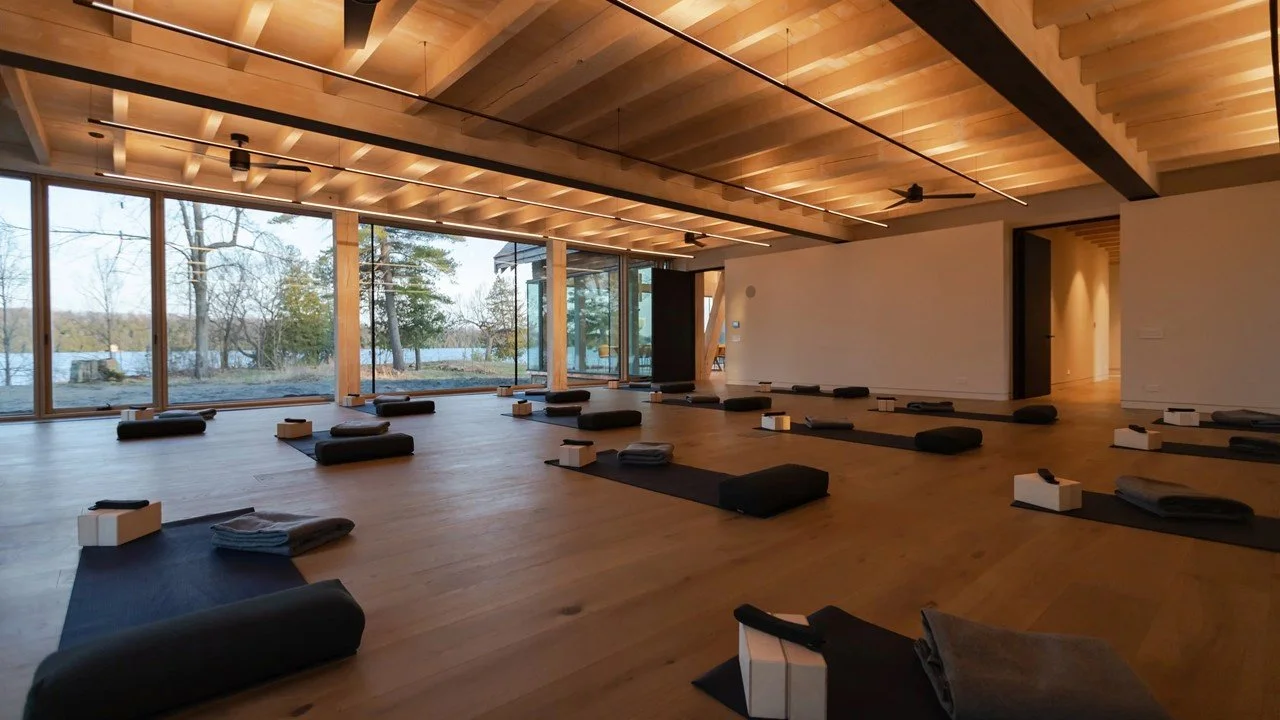
Two weeks ago, I went on my first yoga retreat. I spent the weekend at Bloom Holistic Retreat centre, 30 minutes north of Kingston on 900 acres of forested countryside. The retreat was led by Leslie Cranston, who used to work 60+ hour weeks year-round as a programmer and manager for IBM before becoming a yoga instructor.
I joined 25 other attendees—mostly highly accomplished women—for a weekend of yoga, meditation, and vegetarian food. Aside from being reminded of how tight my hamstrings are, it was a blissful weekend.
Attending was part of my 2026 goal to see if I can accomplish similar outputs (wonderful family, amazing work team, great clients, and rich network of business relationships) without the angsty, white-knuckle, self-critical mindset that is often my modus operandi.
Leaving the retreat, I couldn’t help but think about the CPAs who are in the middle of their grueling tax season. So, I reached out to a few firms to learn how they are helping their teams manage stress and encouraging mental well-being during this busy time.

Steve Parker teaching karate during a noon session at PPL
Obviously, the volume of work during tax season makes stress unavoidable and I’m sure many CPAs currently feel like a cog in a machine that is only built for profit. The firms I spoke to, however, are trying to adopt policies and build cultures to help their employees best endure the stressful period. I hope that reporting on these efforts will help firms learn from each other and inspire them to double down on these initiatives.
Promoting Physical Activity
Physical activity releases feel-good endorphins while improving the functioning of the hippocampus, which supports learning and memory. It also reduces cortisol spikes, which raise blood pressure, disrupt sleep and digestion, promote abdominal weight gain, and contribute to anxiety and depression.
None of this would surprise Steve Parker, the managing partner of Parker Prins Lebano LLP. Steve holds a sixth-degree black belt in karate, and his commitment to balance was one of the key reasons he started his own firm in 1996. It’s now something he cultivates for his staff.
The PPL office includes a large dojo that is equipped with cardio equipment, free weights, and room for stretching or yoga. Throughout the year, and during tax season, all staff receive a paid one-hour fitness break, which they can use as they choose. Steve even leads a Karate session each noon for anyone who wants to wax on and wax off.

Jamie Wendland at the 2025 Blachford Tax Law Charity Game
HW Partners LLP also has a long tradition of promoting physical activity during tax season. Back when Ian Hendry and Dan Warren were leading the firm, they were members of a gym that organized an annual 90-day fitness challenge starting January 1st to help people stick to their new year’s resolutions.
Ian and Dan decided to apply the concept to tax season for their firm, and it stuck. Ten years later, the firm still holds an annual 90-day fitness challenge that ends on April 30. Each staff member is challenged to complete 30 minutes of physical activity each day and record it on a firm-wide Excel Sheet.
Any type of physical activity counts, even shoveling the snow. At the firm’s end-of-tax-season party, the firm celebrates those who hit all 90 days. Last year, approximately 5 to 10 people achieved the distinction, with many others getting close.
Jaime Wendland, a Senior Manager at the firm, usually opts for a walk outside with her husband, or on the treadmill if the weather is bad. She can’t remember ever not hitting all 90 days. She values the encouragement and motivation to stay active during the busy time. (And I suspect the challenge taps into her competitive nature.)
Mental Health Support
Taking a proactive and structured approach to their staff’s mental health is also a priority of GGFL. This was the case under former managing partner Josh Engel, who just completed 7 years in the role, and it is equally so under new managing partner, Chad Saikaley.

Jaclyn Bier of GGFL
GGFL’s leaders regularly check in with their teams about mental health and, recently, they increased their annual access to mental health professionals through their benefits program. Research shows that accessible mental health benefits improve job satisfaction. It also provides a positive ROI to employers by increasing performance and productivity, while reducing absenteeism and burn-out.
At GGFL, staff can now access virtual doctors that are available to help support mental health issues, which reduces barriers that might otherwise discourage an employee from accessing support in a time of need. The average wait time from a GGFL employee to see a virtual doctor is only 7 minutes. The firm also covers 5 hours of counseling for each staff member.
Jaclyn Bier, the firm’s Director of People and Culture, has heard from staff that they find the additional support extremely valuable. The benefits are well used, and the staff has given positive reviews to the virtual doctors.
Creating a culture of openness
Armstrong Jones LLP launched three years ago and is building a culture of openness to fend off the types of mental health challenges that thrive in secrecy. Adam Armstrong, the firm’s managing partner, views venting as cathartic. He encourages open discussion and wants the firm’s leaders to be personable and approachable. The team works in an open office environment and is encouraged to eat lunch together.

Adam Armstrong of Armstrong Jones LLP
Adam is onto something. Research shows that companies can build “psychological safety” for their staff by making them feel comfortable taking interpersonal risks, such as sharing that they are feeling overwhelmed or inadequate, or having other mental health challenges. When a company creates psychological safety, they increase “resilience, innovation, and trust.”
conclusion
Tax season will always be demanding, but I believe that nurturing physical activity, mental health, and psychological safety are just a few ways that firms can humanize the experience for their staff.
I would love to hear your opinions and ideas on this topic.